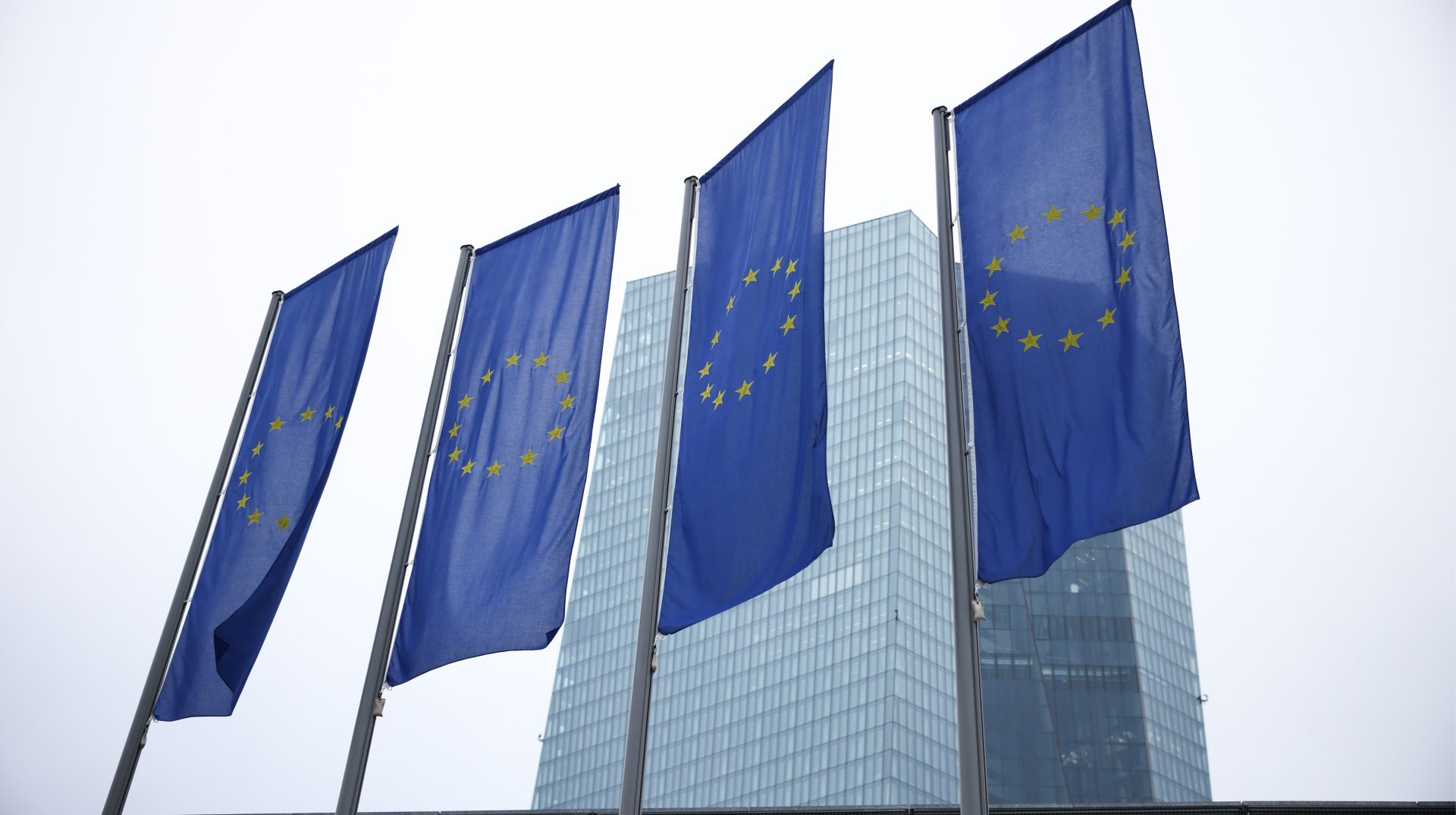
Єврокомісія посилює підтримку регіонів ЄС, що межують з РФ, Білоруссю та Україною
On February 18, the European Commission approved a comprehensive strategy to support the eastern regions of the European Union that share borders with Russia, Belarus, and Ukraine.
**Source:** A correspondent citing the words of the Executive Vice-President of the European Commission, Raffaele Fitto.
**Details:** The European Commission has decided to enhance support for the eastern regions bordering Ukraine, Belarus, and Russia.
"Over 3,500 kilometers of land borders with Russia and Belarus, nearly 1,500 kilometers with Ukraine, and an additional 600 kilometers adjacent to the Black Sea basin, which is also shared with Ukraine and Russia. This document addresses the specific challenges faced by individuals and communities living in these regions," said Fitto.
He noted that for these border regions, more than any others in Europe, there is a clear distinction between "before" and "after" February 24, 2022.
"Since the onset of Russia's aggressive war, places once used for normal daily life, border shopping, and tourism are now repurposed for security, dual-use activities, logistics, drones, and emergency support," the commissioner added.
According to him, many communities are grappling with a combination of heightened danger, reduced economic activity, and demographic decline.
The European Commission proposes measures across five priority areas, combining cohesion policy with other EU tools:
1. Security and Resilience: plans to protect critical infrastructure and enhance military mobility.
2. Growth and Regional Prosperity: establishing East Invest — a special financial mechanism to provide additional funding to the regions.
3. Leveraging Local Strengths: focusing on innovations, energy solutions, bioeconomy, and new value-added chains.
4. Connectivity: emphasizing transport, energy, and digital connections within the EU and with partners.
5. People: ensuring quality services, education, healthcare, youth support, and community preparedness.
**Reminder:**
- As reported by "European Pravda," in January, the defense ministers of the Baltic countries signed an agreement in Tallinn to create a common military mobility space.
- Finland and Poland had previously announced their intention to lead efforts regarding this initiative.
**Read more about this topic.**